

When Travel Goes Viral, Overtourism Is Killing Local Vibes
What Is Overtourism and Why It Matters
Overtourism isn’t just about too many people traveling. It’s about how places are discovered actually.
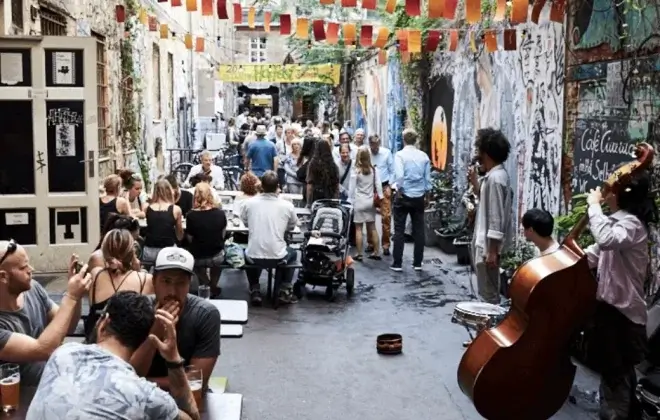
Most travel content on social media is optimized for clicks, generated with AI and boosted by algorithms. The result? Content reviews without visiting and travel guides without understanding culture, timing, or context. The same cafés, streets, and viewpoints overcrowded, local spots losing their character and travelers feeling disappointed because the “vibe” doesn’t match the hype.
Ironically, mass discovery destroys what people are trying to discover. This isn’t sustainable for cities, for locals, or for travelers who want to experience something real.
The Future of Travel Isn’t Louder. It’s Smarter.
The next era of travel discovery won’t be about more content, faster trends and bigger reach. It will be about trust, quality, discovery and experiences. That’s why we created 2B LOCAL!
How 2B LOCAL Takes a Different Approach
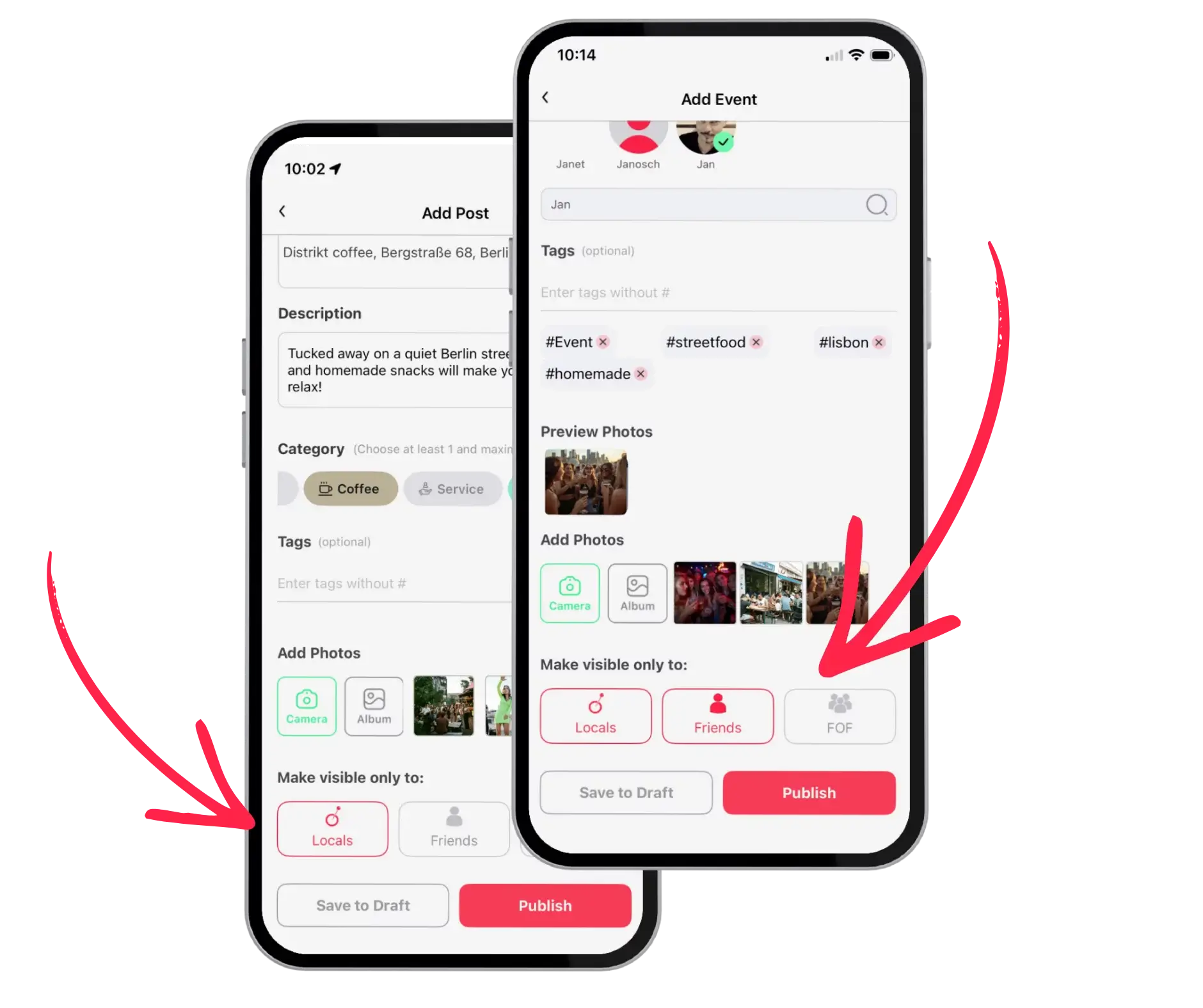
With 2B LOCAL, you control how your tips are shared. Post to locals in your hometown, just friends, or friends of friends — it’s up to you. The community keeps tips real by checking and confirming what’s authentic and relevant.
Slower Discovery, Better Local Vibes
By limiting overexposure, places stay authentic longer and travelers discover cities beyond the obvious. And locals still can keep their best-kept secrets within trusted circles.
2B LOCAL isn’t about showing everything. It’s about helping you discover the right places — at the right time — through the right people.
FAQs About Social Media and Overtourism
1. How does social media cause overtourism?
Social media causes overtourism when viral posts drive large numbers of travelers to the same destination at the same time. Platforms like Instagram and TikTok amplify visually appealing spots through algorithms, turning hidden places into overcrowded hotspots almost overnight.
2. What is Instagram tourism?
Instagram tourism refers to travel decisions influenced primarily by social media aesthetics. Travelers visit destinations to capture photos or recreate viral content, which often concentrates tourism in a few highly “Instagrammable” locations and accelerates overtourism.
3. What are the negative effects of overtourism on local communities?
Overtourism can increase rent and living costs, strain infrastructure, damage natural environments, and replace local businesses with tourist-focused shops. It can also erode authentic culture — the very thing that made the destination attractive in the first place.
4. How can travelers avoid contributing to overtourism?
Travelers can reduce overtourism by visiting off-season, exploring lesser-known neighborhoods, supporting locally owned businesses, and avoiding geotagging fragile locations. Choosing authentic travel experiences over viral trends helps protect local communities and culture.